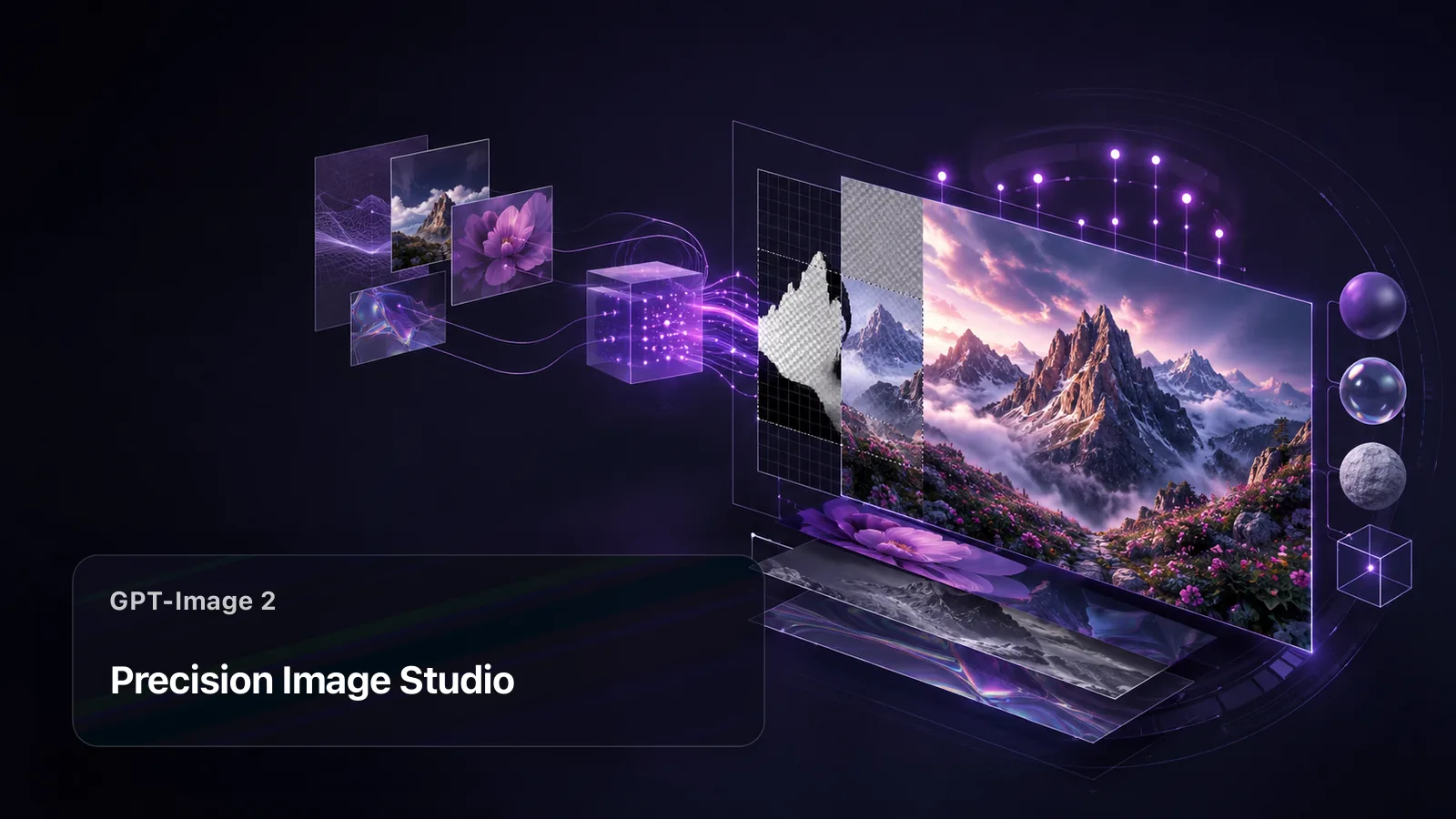
OpenAI GPT-Image 2 supports image generation and editing for detailed commercial visuals, reference-guided composition, local revisions, and high-resolution creative production.
Price: from 30 credits per request · ≈ $0.015-$0.03High stability with detailed usage records on the APIAny platform.
gpt-image-2
67 (suggested: 2,000)
Use reference images
Leave off for text-to-image. Turn on to upload or paste up to 16 reference images.
Playground ratio shorthand. API calls may use auto, a positive WIDTHxHEIGHT target, or a W:H ratio; non-auto targets are mapped to the nearest official popular size.
Resolution tier. Effective when size is an aspect ratio.
Rendering quality. Auto lets GPT-Image 2 choose for the prompt.
1
110
Number of images to generate. Credits are charged per generated image.
• Price shown is charged from the model configuration in admin.
• Calls consume current account credits and write usage records.
• Media tasks are processed with the same async pipeline as the public API.
Pricing
Model ID
Type
Quality
Price
gpt-image-2
Image Generation
1k
30 credits per request · ≈ $0.015-$0.03
gpt-image-2
Image Generation
2k
60 credits per request · ≈ $0.03-$0.06
gpt-image-2
Image Generation
4k
60 credits per request · ≈ $0.03-$0.06
Model IDgpt-image-2
TypeImage Generation
Quality1k
Price30 credits per request · ≈ $0.015-$0.03
Model IDgpt-image-2
TypeImage Generation
Quality2k
Price60 credits per request · ≈ $0.03-$0.06
Model IDgpt-image-2
TypeImage Generation
Quality4k
Price60 credits per request · ≈ $0.03-$0.06
API Reference
Call this model through a standard REST API. Authenticate with your API key, then pick an endpoint below to see its parameters and examples.
Authentication
Every request needs a Bearer token in the Authorization header. Create an API key in the console.
Authorization: Bearer YOUR_API_KEY
POSThttps://apiany.ai/v1/images/generations
Request parameters
Parameter
Type
Required
Notes
model
string
Required
Model identifier to invoke. Use this model's ID.
prompt
string
Required
Text prompt describing what you want to generate.
size
string
Optional
Playground ratio shorthand. API calls may use auto, a positive WIDTHxHEIGHT target, or a W:H ratio; non-auto targets are mapped to the nearest official popular size. · Options: auto, 1:1, 1:2, 2:1, 1:3, 3:1, 2:3, 3:2, 3:4, 4:3, 4:5, 5:4, 9:16, 16:9, 21:9, 9:21 · Default: auto
resolution
string
Optional
Resolution tier. Effective when size is an aspect ratio. · Options: 1K, 2K, 4K · Default: 1K
quality
string
Optional
Rendering quality. Auto lets GPT-Image 2 choose for the prompt. · Options: auto, low, medium, high · Default: auto
n
number
Optional
Number of images to generate. Credits are charged per generated image. · Range: 1–10 · Default: 1
callback_url
string
Optional
Optional webhook URL called when the async task finishes.
Request example
curl "https://apiany.ai/v1/images/generations" \
  -H "Authorization: Bearer YOUR_API_KEY" \
  -H "Content-Type: application/json" \
  -d '{
  "model": "gpt-image-2",
  "prompt": "A polished SaaS product screenshot mockup for an API model platform",
  "size": "auto",
  "resolution": "1K",
  "quality": "auto",
  "n": 1
}'
This endpoint is asynchronous: it returns a task_id immediately. Poll the task-status endpoint until status becomes succeeded, then read the result. Generated media links stay valid for 24 hours.
OpenAI GPT-Image 2 supports image generation and editing for detailed commercial visuals, reference-guided composition, local revisions, and high-resolution creative production.
Start with the desired visual outcome, references, and delivery format, then shape the generation workflow around them.
GPT-Image 2 is available on APIAny as one documented API surface with live pricing, model status, request examples, and an on-page playground. Teams can evaluate the model here, then keep authentication, usage records, and production routing in the same platform.
The quotations below are from official API documentation that APIAny implements against.
The Images API provides several endpoints that let you generate images from text prompts or create edits of existing images.
The Gemini API provides access to Google's most capable generative AI models.
Use cases
What can you build with the GPT-Image 2 API?
The GPT-Image 2 API is used for product workflows that need this model's output. Test the same inputs in the playground, compare related models, and choose the route that meets your quality, latency, and budget requirements.
01
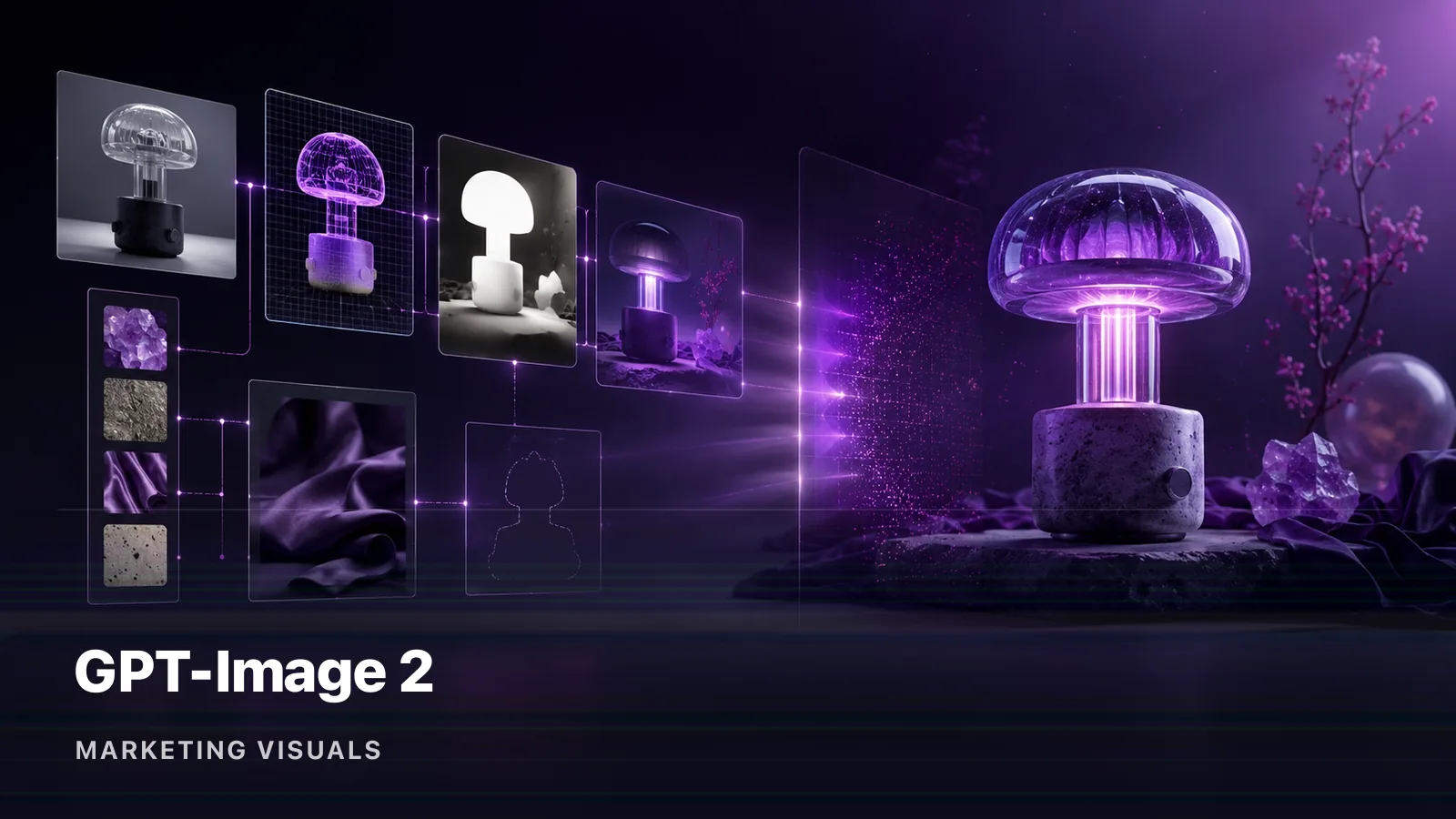
Campaign and marketing visuals
Use GPT-Image 2 to create visual directions for launches, ads, landing pages, and social campaigns. Standardize prompts and reference assets so a team can compare variants without rebuilding the generation workflow.
Use natural-language instructions and reference images to revise composition, style, objects, or local details with GPT-Image 2. Keep the original brief and inputs in your workflow for repeatable review cycles.
GPT-Image 2 API features are the input, output, and workflow traits that matter when you evaluate this model. Available request parameters remain visible in the live API reference on this page.
How GPT-Image 2 capabilities work together.
/01
Text prompt input
Describe the requested output or task in text and send it through the documented GPT-Image 2 API request.
/02
Image and reference input
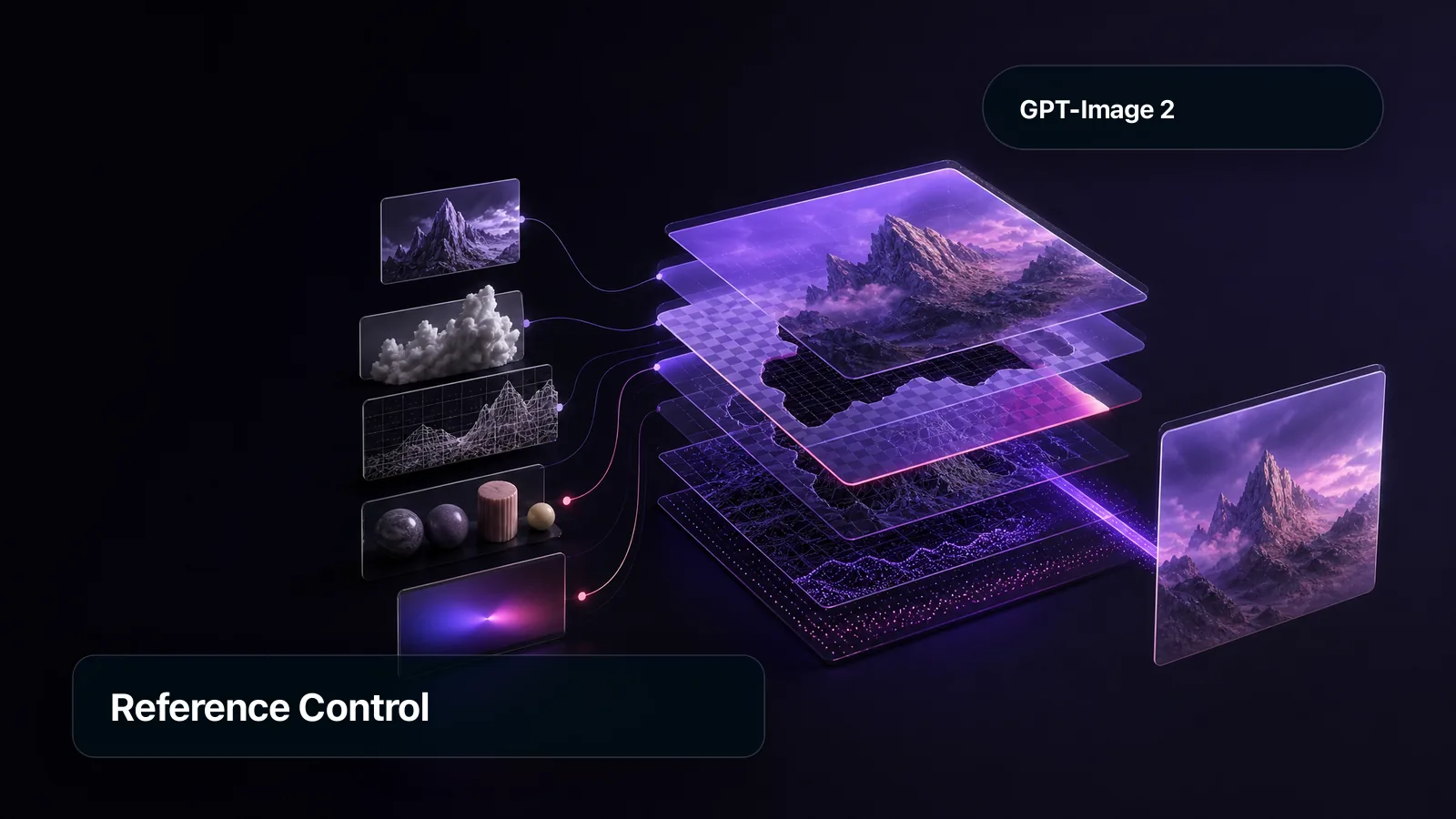
Provide supported image inputs to guide editing, visual identity, composition, or motion in GPT-Image 2 workflows.
/03
Prompt-based image editing
Revise supported images with natural-language instructions while retaining the source context needed for controlled changes.
/04
High-resolution output
Select supported quality or resolution tiers when the final GPT-Image 2 asset needs more detail for review or delivery.
/05
APIAny advantages
Why use GPT-Image 2 through APIAny?
GPT-Image 2 on APIAny is a production route with one key, live prices, status, and usage records, so you do not maintain a separate provider integration.
Production value delivered by GPT-Image 2.
One stable API surface
Call GPT-Image 2 with an APIAny key and a documented request format. Keep your application integration stable while model versions and upstream routes evolve behind the gateway.
Transparent usage and pricing
Review the live GPT-Image 2 pricing rules before a request, estimate credits in the playground, and inspect request-level usage records after the call completes.
Integration
How to integrate the GPT-Image 2 API
Integrating the GPT-Image 2 API is a three-step path from playground test to authenticated production request. The page keeps the model identifier, request schema, pricing, and response examples together. Treat generation as an asynchronous media pipeline with durable task tracking, validation, and asset delivery.
Connecting GPT-Image 2 from API request to result.
01
Create an API key
Sign in to APIAny, create a project API key, and assign only the model scope and budget controls your application needs.
02
Send a GPT-Image 2 request
Copy the request example from this page, set the model field to the selected GPT-Image 2 version, and send it to the documented APIAny endpoint.
03
Monitor and refine
Track status, latency, credits, and returned usage. Compare versions or related models with the same workload before shifting production traffic.
FAQ
GPT-Image 2 API frequently asked questions
Direct answers about capabilities, use cases, integration, and choosing the right GPT-Image 2 route.
What is the GPT-Image 2 API?
OpenAI GPT-Image 2 supports image generation and editing for detailed commercial visuals, reference-guided composition, local revisions, and high-resolution creative production. APIAny makes this model callable through an authenticated API with live pricing, status information, request examples, and a browser playground on the same page.
What can I build with the GPT-Image 2 API?
Common GPT-Image 2 workflows include Campaign and marketing visuals, Image editing and controlled revisions, Product and catalog content. The best fit depends on the input format, output quality, latency, and cost your product requires.
How do I call GPT-Image 2 through APIAny?
Create an APIAny key, use the endpoint documented on this page, and set the request model field to the selected GPT-Image 2 version. The playground can generate a working payload before you integrate it into application code.
Image editing and controlled revisions with GPT-Image 2.
03
Product and catalog content
Generate product scenes, catalog assets, presentation imagery, or review-ready content with GPT-Image 2. Batch requests through the API when a catalog needs consistent formats and repeatable output.
Use GPT-Image 2 when detail, consistency, visual coherence, or polished production quality matters more than minimum latency.
Production routing controls
Use model status, channel health, retry policy, and usage logs to operate GPT-Image 2 as part of a production workflow instead of treating it as an isolated demo.
How should I choose a GPT-Image 2 version?
Compare the versions shown on this page by price, supported parameters, and capabilities such as Text prompt input, Image and reference input, Prompt-based image editing. Test a representative production input before choosing the default route.